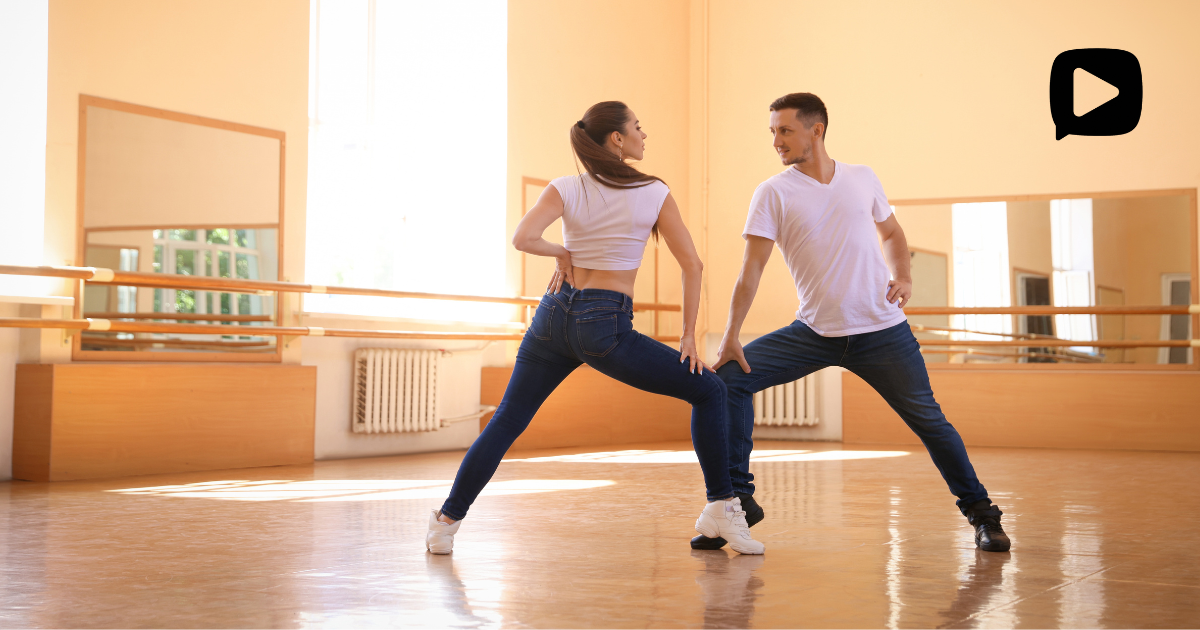
Standing at the edge of the floor waiting for your number to be called, you've practiced your routine hundreds of times. You know your steps. But do you know what the panel of judges watching you actually evaluates? Many competitors spend years wondering why their placements don't reflect the effort they've invested, not realizing they're practicing the wrong things—or practicing the right things without understanding why they matter to judges.
Judging ballroom dance isn't mysterious or arbitrary. Experienced judges evaluate specific, consistent technical and artistic criteria regardless of which competition you attend. Understanding what they're looking for transforms how you practice, what you prioritize, and ultimately how you place.
How Judging Actually Works
Before diving into technique specifics, understanding the judging process provides important context. In most competitions, judges use a relative placement system—they're not scoring you on an absolute scale but ranking you relative to the other couples on the floor simultaneously.
Judges observe multiple couples dancing at once, typically in heats of 6-8 couples. They award recalls (marking couples who progress to the next round) based on their overall impression during that brief observation window. In finals, they place couples from first through last using a scrutineering system that reconciles placements across the judging panel.
This process means first impressions matter enormously. Judges make quick decisions about which couples command attention and which fade into the background. Couples who immediately project confidence, quality movement, and presence get noticed. Those who blend into the floor—regardless of technical correctness—often don't.
The Foundation: Technique That Judges Notice
Posture and Frame
Nothing communicates dance quality faster than posture. Judges see dozens of couples on every floor—correct posture immediately signals training, awareness, and technical foundation. Poor posture signals the opposite, regardless of footwork or choreography quality.
In standard and smooth, frame means maintaining the upper body shape that creates partnership connection and visual elegance. Judges look for consistent height in both partners, elbows maintained at appropriate height without dropping, shoulders level and relaxed rather than raised or collapsed, and head position that completes the visual line without straining.
The most common frame problems judges notice: left elbows that drop through corners and turns, collapsed upper body connection in the lady's frame, inconsistent frame height that changes throughout the routine, and tension visible in raised shoulders or rigid arms.
Latin and rhythm judges assess posture differently but with equal importance. They look for length through the spine, freedom in the hip action without collapsing the torso, chest lifted without rigidity, and head position that enhances rather than distracts from body movement.
Footwork and Weight Transfer
Judges with strong technical backgrounds often watch feet first. Correct footwork isn't merely about placing feet in right positions—it's the foundation that creates every other quality judges value: balance, fluency, musicality, and partnership connection.
In standard dances, judges evaluate heel leads, toe leads, and flat-foot placements appropriate to each movement. A natural turn with incorrect heel leads creates visible wobbling and broken lines throughout the body. Correct footwork produces the flowing, continuous movement that characterizes high-quality standard dancing.
The most common footwork errors: rushing weight transfer so feet never fully arrive on the standing leg, incorrect heel or toe use through turns, insufficient rise and fall (particularly in waltz and foxtrot), and weight remaining on the wrong foot entering movements.
Latin footwork centers on foot pressure into the floor, weight placement on the inside edge of the foot, and the relationship between foot position and hip movement. Judges look for deliberate, controlled weight transfers that create authentic hip action rather than forced or wiggled hip movement imposed on incorrect footwork.
Rise and Fall (Standard Dances)
Rise and fall in waltz, foxtrot, and quickstep represents one of the defining characteristics that separates experienced competitors from beginners. Judges look for natural, musical rise and fall that creates the characteristic swinging, flowing quality of standard dancing—not mechanical up-down movement that looks like bouncing.
Waltz: judges evaluate whether rise begins at the end of beat one, reaches maximum height through beat two, and lowers through the third beat with natural, unhurried descent. Couples who rush their rise, achieve insufficient height, or lower too early lose the sweeping, musical quality that defines waltz.
Foxtrot: the smooth, continuous movement judges reward requires extremely controlled, gradual rise and fall that never interrupts the gliding quality characteristic of the dance. Foxtrot with choppy rise and fall looks like waltz's less graceful cousin rather than the most sophisticated of the standard dances.
Cuban Motion and Hip Action (Latin/Rhythm)
Hip action in Latin and rhythm dances is probably the most misunderstood technical element among competitors below championship level. Judges aren't looking for exaggerated wiggling—they're evaluating authentic hip movement that results from correct technique.
Genuine Cuban motion comes from settling the hip over the weighted leg as weight transfers fully, creating a natural side-hip movement driven by footwork and weight placement. Manufactured hip movement that's imposed on top of incorrect footwork looks exactly like what it is—fake—and judges recognize it immediately.
Judges evaluate whether hip action is in time with the music, whether it's symmetrical on both sides, whether it's appropriate in size for the dance (rumba hips differ from cha cha hips), and crucially whether it integrates with the body as a whole rather than appearing isolated.
Partnership Qualities Judges Evaluate
Connection and Lead-Follow
For judges watching couples on a competitive floor, connection quality immediately separates polished couples from those still developing partnership skills. Judges observe whether the couple appears to move as a single unit or as two individuals performing choreography they memorized together.
Strong connection shows in synchronized timing through movements, fluid response to leads without visible delay, consistent frame that maintains partnership shape through corners and turns, and weight changes that happen together rather than one partner waiting for the other.
Judges identify connection problems through: ladies anticipating movements rather than responding to leads, partners separating or losing contact through turns, inconsistent speed through movements where one partner rushes ahead, and visible tension that indicates struggle rather than partnership.
Choreography and Floorcraft
Judges notice whether your choreography suits your physical abilities and level, whether it makes intelligent use of the music, and whether you navigate the floor without running into other couples or hiding in corners.
Floorcraft—the skill of managing your position on a crowded competitive floor while maintaining quality—impresses judges because it demonstrates real dancing ability rather than rehearsed performance. Couples who adjust choreography smoothly, avoid floor traffic gracefully, and never lose their quality through necessary adjustments show advanced partnership skills that pure technical correctness doesn't capture.
Musical Interpretation
Timing and Musicality
Every couple on a competitive floor should be in time with the music—timing is the baseline requirement, not the differentiator. What separates placements in competitive rounds is musicality: how you interpret the music beyond simply landing on the beat.
Judges look for musical phrasing—beginning and ending movements in ways that align with musical phrases rather than arbitrarily mid-phrase. They evaluate whether you accent musical highlights, whether your speed through movements reflects the music's character, and whether your dancing would look different to a different piece of music (indicating genuine musical response) or identical (indicating learned choreography with no real musical connection).
Character differences matter enormously. Waltz should feel different from foxtrot, not just structured differently. Rumba should feel different from cha cha. Judges notice whether couples genuinely inhabit the character of each dance or perform generic "ballroom" across all styles.
Presentation and Performance
Line and Shape
Judges evaluate the visual lines your body creates through movement. Straight lines where lines should be straight, curved lines where curves are appropriate, extended lines that complete shapes fully rather than stopping short.
Common line problems: bent supporting legs that shorten body lines and reduce visual impact, arms that don't complete their extension, head positions that break the visual line of the body, and hunched upper bodies that reduce overall height and elegance.
Beautiful lines don't require exceptional flexibility—they require awareness of where your body is in space and commitment to completing each shape fully. Many dancers rush through shapes to get to the next movement, never allowing judges to see the line at all.
Confidence and Stage Presence
Judges are human beings responding to human performance. Couples who project confidence, enjoyment, and stage presence capture attention more readily than technically correct but visually timid couples. This isn't about fake performance—it's about communicating that you belong on that floor.
Specific elements judges respond to: eye contact and awareness that projects outward rather than looking at the floor, smiling that reflects genuine enjoyment rather than frozen grimacing, commitment to movements that suggests you mean what you're dancing, and energy level that fills the space you're dancing in.
Stage presence doesn't mask technical deficiencies—judges still see the technical problems—but it creates the impression of quality that influences how charitably judges interpret ambiguous moments.
Common Competition Mistakes
Dancing for the judges instead of dancing: Competitors who spend their routines looking for the judges and positioning themselves for the judging panel usually look worse than competitors who simply dance their best. Judges watch everyone; chasing their attention rarely produces the desired result.
Invisible in a crowd: Some technically correct couples simply fail to register on a crowded floor. If judges can't find you when scanning the floor, your technical quality becomes irrelevant. Projecting outward—through energy, presence, and quality of movement—makes you visible.
Level-inappropriate choreography: Advanced choreography danced poorly looks worse than basic choreography danced well. Judges know when couples are dancing choreography beyond their current technical capability. Master your level's requirements completely before pursuing complexity.
Neglecting transitions: Many competitors nail the highlight moments of their routine while the transitions between them—the connections, footwork sequences, and linking movements—fall apart. Judges watch continuously, not just during flashy moments. Consistent quality throughout the routine outscores intermittently brilliant dancing.
Identical dancing across all dances: Waltz danced like slower foxtrot, rumba danced like slower cha cha, quick step danced like fast foxtrot—these character confusions signal that competitors understand the steps but haven't internalized what makes each dance distinct. Judges recognize and reward genuine dance character immediately.
Using Video Analysis to Improve Competition Performance
Understanding what judges look for only helps if you can identify where your own dancing falls short. This is where honest video analysis becomes invaluable.
Record your practice routines and review them against the criteria above. Ask yourself: Is my posture consistent throughout or does it break down as the routine progresses? Is my footwork creating genuine rise and fall or is my upper body faking it? Does my hip action come from correct weight transfer or manufactured movement? Do my partner and I appear connected or coordinated?
Better yet, submit competition footage or practice videos to experienced coaches who understand judging criteria. They'll identify the specific technical issues that cost you placements with precision that self-assessment rarely achieves. A coach who competed and placed at high levels understands exactly what judges find compelling versus concerning—and can articulate the path from your current technique to the standard that earns better results.
What Judges Want to See, Simply Put
After decades of judging development, the best summary of what judges consistently reward is this: couples who demonstrate controlled, musical movement with clear technical foundation, genuine partnership connection, and performance quality that communicates they're dancing rather than executing choreography.
Technical precision without musicality looks mechanical. Musicality without technique looks undisciplined. Presence without foundation looks like performance. Foundation without presence looks like practice. The couples consistently earning top placements integrate all these elements—not perfectly, but convincingly.
Every element above can be practiced deliberately, coached specifically, and improved systematically. Understanding what judges look for gives your practice direction and your coaching conversations substance. Stop practicing randomly and start practicing the specific qualities that move you up the placement sheet.